
Managing multiple insurance coverage plans—for your car, home, life, or health—can quickly become overwhelming. Between tracking different due dates, managing separate online accounts, and paying multiple bills each month, keeping your assets protected can feel like a full-time job.
That is where a multi-policy insurance discount (often referred to as insurance bundling) comes in. By consolidating your coverage under a single insurance provider, you can streamline your financial administration while unlocking significant savings on your premiums.
In this guide, we will break down what multi-policy insurance is, how bundling works, the major benefits, and key things to consider before switching your policies.
What is Multi-Policy Insurance?
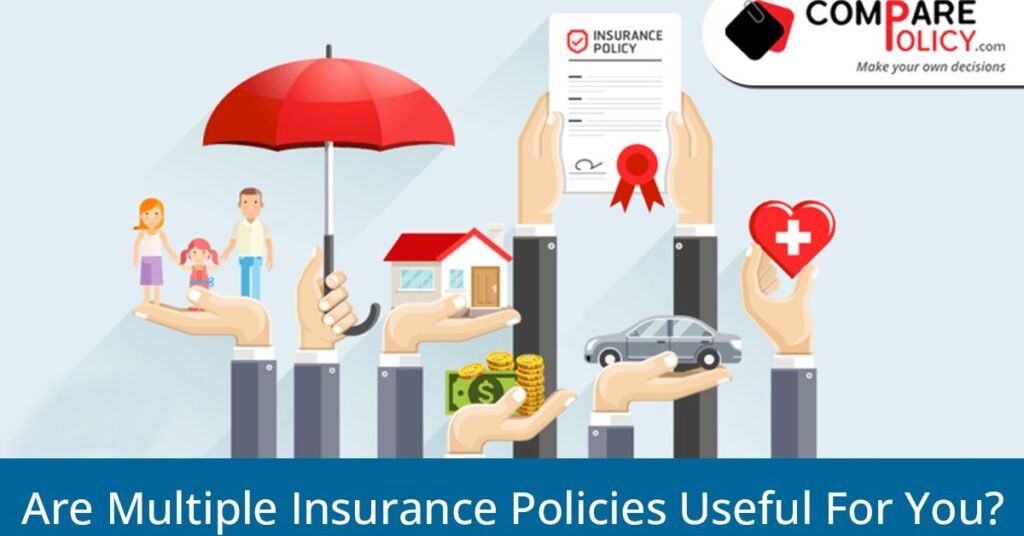
Multi-Policy Insurance is an incentive program offered by insurance carriers where policyholders receive a percentage discount on their premiums for holding two or more insurance policies with the same company.
Instead of buying your car insurance from Company A, your home insurance from Company B, and your life insurance from Company C, you bundle them together with one insurance provider.
┌───────────────────────────────┐
│     SINGLE INSURANCE PROVIDER │
├───────────────┬───────────────┤
│  Auto Policy  │  Home Policy  │ ──► [ Bundled Discount: 10% - 25% Off ]
└───────────────┴───────────────┘
Common Types of Multi-Policy Bundles
Insurance companies allow you to combine various types of coverage. The most popular combinations include:
1. Auto + Homeowners Insurance
This is the most common and highest-saving bundle in the insurance industry. Insurers often offer their biggest percentage discounts when you link your primary residence and vehicles together.
2. Auto + Renters / Condo Insurance
If you rent an apartment or own a condominium, bundling your renters or condo policy with your auto insurance is an easy way to lower monthly costs while protecting your personal belongings.
3. Auto + Life Insurance
Linking a term or permanent life insurance policy with your vehicle coverage allows you to secure family financial protection while receiving a multi-policy discount on your auto rate.
4. Multi-Vehicle Insurance
While technically insuring multiple items within the same category, insuring more than one vehicle under the same auto policy earns a multi-car discount, which operates on the same bundling principle.
Key Benefits of Multi-Policy Insurance
1. Substantial Financial Savings
The primary reason drivers and homeowners choose multi-policy insurance is cost reduction. Depending on the insurer and the types of policies combined, bundling can save you anywhere from 10% to 25% on your total premium costs annually.
2. Simplified Account Management
Instead of navigating multiple websites, customer portals, and billing schedules, bundling consolidates your coverage into:
- One mobile app / online account: Access all policy documents in one place.
- One renewal date: Track your coverage renewal easily.
- One combined monthly bill: Eliminate the hassle of tracking different payment due dates.
3. Single-Deductible Options
Some premium insurers offer a single-deductible feature for bundled policies. For example, if a severe storm damages both your garage and the car parked inside it, you may only have to pay a single deductible rather than separate deductibles for auto and home claims.
4. Reduced Risk of Policy Cancellation
Insurance companies value loyal customers who hold multiple policies. If you file a single auto claim or receive a minor traffic ticket, an insurer is generally less likely to drop your coverage if you hold multiple active policies with them.
Multi-Policy vs. Standalone Policies: A Quick Comparison

| Feature | Multi-Policy Insurance (Bundled) | Standalone Policies (Unbundled) |
| Average Cost | Lower (Discounted rate applied) | Higher (Standard individual rates) |
| Convenience | High (Single account & payment) | Low (Multiple accounts & due dates) |
| Management | One customer support contact | Multiple customer support teams |
| Flexibility | Tied to one insurance carrier | Ability to mix and match specialist providers |
Is Bundling Always the Best Option? What to Watch Out For
While multi-policy insurance offers major advantages, it is essential to review the details before committing:
- Watch for “Price Walking”: Some companies offer a steep initial discount that gradually decreases upon policy renewal. Always check your renewal statements annually.
- Specialist Coverage Needs: If you own a high-value custom property or a unique specialty vehicle, a specialized niche insurer might offer better coverage terms than a standard bundled policy.
- Compare Total Costs: A 20% discount on an overpriced policy might still cost more than buying two cheaper standalone policies from separate companies. Always compare the final dollar amount, not just the discount percentage.
How to Get Started with Multi-Policy Insurance
- Inventory Your Existing Policies: List all your active insurance plans, current premiums, renewal dates, and coverage limits.
- Request Bundle Quotes: Ask your current primary insurer for a bundled quote, and gather quotes from two or three competing top-tier insurance carriers.
- Compare Final Rates: Ensure the coverage limits and deductibles match or exceed your existing plans before making the switch.
- Cancel Old Policies Safely: Once your new multi-policy insurance is active, formally cancel your old policies to avoid gaps in coverage.
Final Thoughts
Multi-Policy Insurance is one of the simplest and most effective financial tools available for cutting household expenses. By combining your auto, home, or life coverage under one trusted provider, you secure robust protection for your assets while enjoying simplified management and lower monthly costs.