Whether you just bought a brand-new vehicle or have been driving for years, securing a reliable car insurance policy is one of the most critical steps in smart vehicle ownership. Accidents, theft, and natural disasters can happen in the blink of an eye, leading to massive unexpected repair bills or legal complications.
In this ultimate guide, we will break down what a car insurance policy is, how it works, the different types of coverage available, and expert tips on how to lower your insurance premiums.
What is a Car Insurance Policy?
A car insurance policy is a legal contract between a vehicle owner and an insurance company. In exchange for paying a regular premium (monthly or annually), the insurance company agrees to cover financial losses resulting from vehicle damage, accidents, theft, or legal liability caused to third parties.
Having car insurance is not just about protecting your asset—in most countries and legal jurisdictions, holding at least basic third-party liability coverage is mandated by law before driving on public roads.
How Does a Car Insurance Policy Work?
When you buy a car insurance policy, you choose your coverage limits and your deductible (the out-of-pocket amount you agree to pay before insurance kicks in).
   [ Accident Occurs ]
            │
            ▼
   [ Pay Deductible ]  ──►  [ Insurer Pays Remaining Claim Balance ]
 (Your Out-of-Pocket)           (Up to Policy Limit)
If an accident occurs:
- You file a claim with your insurance provider.
- An insurance adjuster assesses the vehicle damage and estimates repair costs.
- Once approved, the insurance company pays for the repairs minus your agreed deductible.
Key Types of Car Insurance Coverage
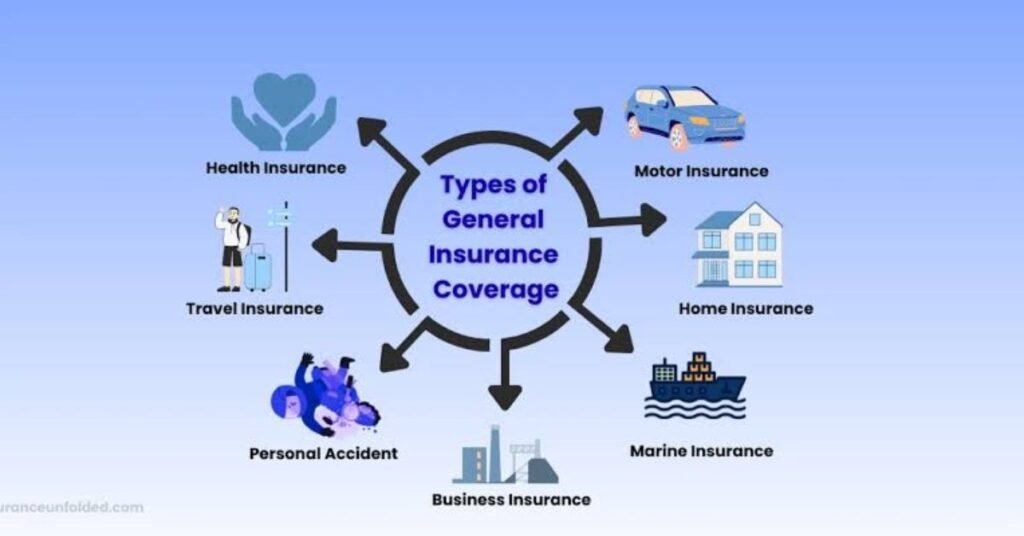
Car insurance isn’t a one-size-fits-all product. Depending on your needs and budget, policies are typically broken down into four core types:
1. Third-Party Liability Insurance (Basic & Mandatory)
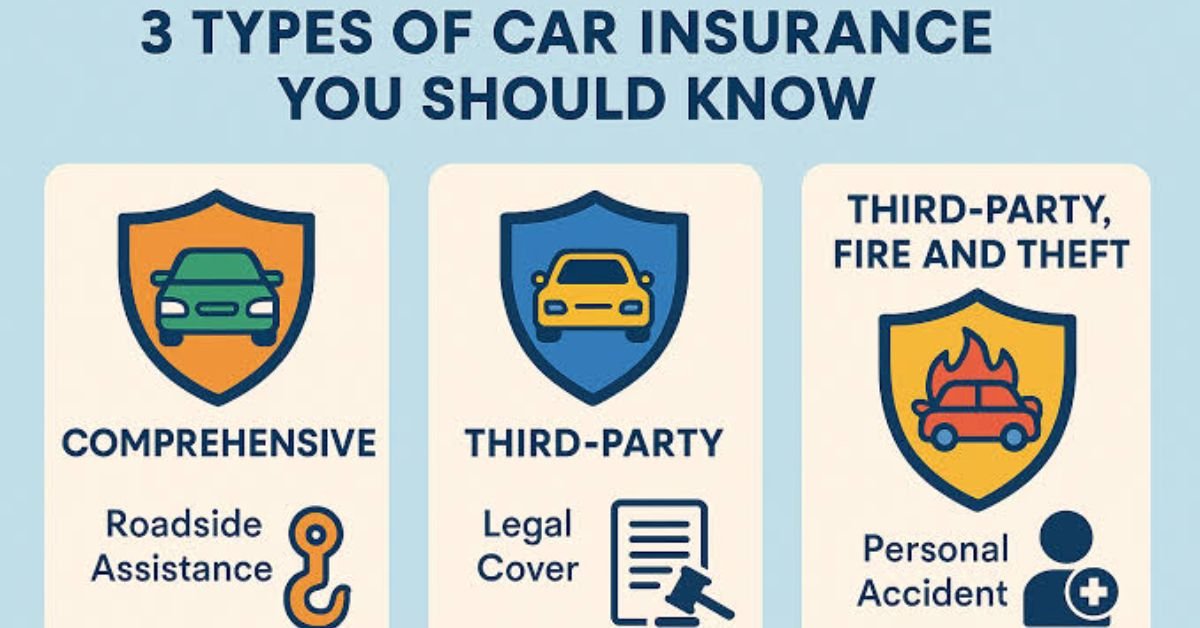
This is the most basic coverage required by law. It protects you financially if you cause an accident that injures another person or damages someone else’s property (e.g., their vehicle, fence, or building).
Note: Third-party insurance does not cover repair costs for your own vehicle.
2. Collision Insurance
Collision coverage pays to repair or replace your own vehicle if it is damaged in a crash with another car, a tree, a guardrail, or a rollover accident—regardless of who was at fault.
3. Comprehensive Insurance (Full Coverage)
Comprehensive insurance covers vehicle damage caused by events other than collisions, such as:
- Theft or vandalism
- Natural disasters (floods, hailstorms, earthquakes)
- Falling objects or fire
- Animal strikes
4. Personal Injury Protection (PIP) / Medical Payments
This covers medical expenses, hospital bills, and lost wages for you and your passengers if you are injured in an accident, regardless of who caused it.
Factors That Affect Your Car Insurance Premium
Insurance companies calculate your monthly or yearly premium based on risk factors, including:
- Your Driving Record: A clean driving history with no recent traffic tickets or accidents leads to significantly lower rates.
- Vehicle Model & Age: Repair costs, vehicle safety ratings, and theft statistics for your specific car model play a large role.
- Location: Driving and parking in high-traffic or high-crime urban areas increases premium costs.
- Age & Driving Experience: Younger drivers (under 25) generally face higher insurance rates due to lack of experience.
- Deductible Amount: Choosing a higher deductible lowers your ongoing premium.
How to Save Money on Your Car Insurance Policy
Looking to reduce your insurance costs without sacrificing coverage? Follow these proven tips:
- Bundle Your Policies: Combine your auto insurance with your home or health insurance under the same provider to earn multi-policy discounts.
- Install Anti-Theft Devices: Adding GPS trackers, steering locks, or alarm systems often qualifies your car for security discounts.
- Maintain a Good Credit Score: Insurers in many regions use credit-based insurance scores to calculate risk.
- Drive Safely & Earn No-Claim Bonuses: Many insurers offer substantial discounts (No-Claim Bonus or NCB) for every consecutive year you drive without filing a claim.
- Compare Quotes Annually: Never auto-renew your policy without checking prices from competing insurance providers first.
Final Verdict
A comprehensive car insurance policy gives you total financial security on the road. By understanding your state requirements, evaluating your vehicle’s value, and choosing the right mix of collision and liability coverage, you can drive with confidence knowing you are protected against the unexpected.