

When planning for your family’s future, ensuring they are financially secure after you pass away is a top priority. A death policy insurance—commonly known as life insurance or a death benefit policy—serves as a vital safety net designed to replace lost income, cover immediate end-of-life expenses, and preserve your family’s standard of living.
In this detailed guide, we will break down what a death policy insurance is, how the claim process works, the different types of policies available, and how to choose the right coverage amount for your loved ones.
What is a Death Policy Insurance?
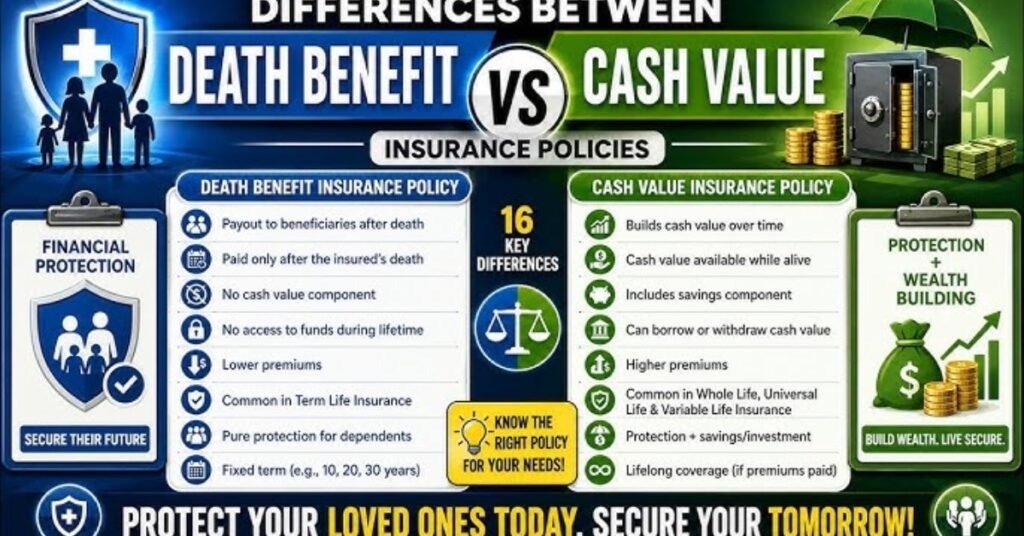
A death policy insurance is a legal contract between a policyholder and an insurance carrier. In exchange for regular premium payments, the insurer guarantees a tax-free lump-sum payout—known as the death benefit—to your designated beneficiaries upon your passing.
This financial payout can be used by your family for any purpose, including:
- Funeral and burial expenses.
- Paying off outstanding debts (mortgages, credit cards, auto loans).
- Income replacement for household living costs.
- Children’s educational funds.
How Does a Death Insurance Benefit Work?
The mechanics of a death policy insurance revolve around three core components:
[ Policyholder Pays Premiums ]
             │
             ▼
      [ Event Passed ]
             │
             ▼
 [ Beneficiary Files Claim ] ──► [ Tax-Free Lump-Sum Payout Sent ]
- The Policyholder: The person who owns the policy and pays regular monthly or annual premiums.
- The Insured: The person whose life is covered under the agreement (often the policyholder).
- The Beneficiary: The designated person, family member, or trust who receives the insurance payout when the insured passes away.
Types of Death Insurance Policies
Depending on your financial goals and duration of coverage needed, death insurance policies generally fall into two main categories:
1. Term Life Insurance (Temporary Coverage)
Term life insurance covers you for a specified period (e.g., 10, 20, or 30 years). If you pass away during the active term, your beneficiaries receive the full death benefit. If the term expires while you are still living, coverage simply ends with no payout.
- Best For: Young families, parents with mortgages, and budget-conscious individuals.
2. Permanent Life Insurance (Whole or Universal Life)
Permanent insurance covers you for your entire lifetime as long as premiums are paid. In addition to the death benefit, permanent policies build a cash value component that grows tax-deferred over time.
- Best For: Estate planning, lifelong dependents, and long-term wealth transfer.
Common Exclusions: When Does a Death Policy NOT Pay Out?
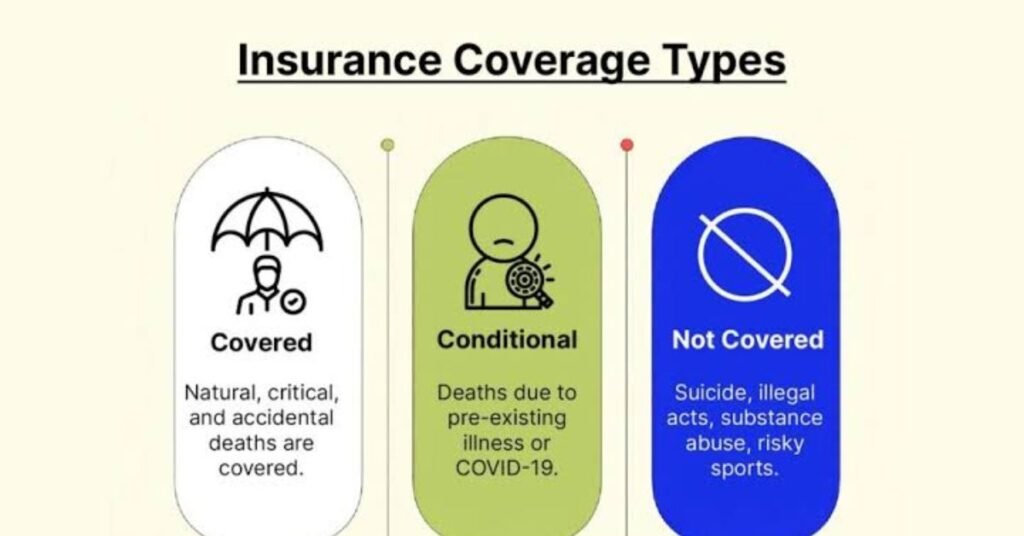
While death insurance policies offer broad protection, insurance companies maintain specific exclusions where claims may be denied:
| Cause / Scenario | Coverage Status | Notes / Conditions |
| Natural Death / Illness | Covered | Full payout for heart attacks, cancer, old age, etc. |
| Accidental Death | Covered | Car accidents, falls, natural disasters. |
| Contestability Period (First 2 Years) | Conditional | If death occurs within 2 years, insurers investigate for fraud or misrepresentation. |
| Suicide Clause | Conditional | Most policies exclude suicide claims within the first 1–2 years of policy activation. |
| Illegal / Criminal Activity | Not Covered | Death resulting from participation in illegal acts is excluded. |
How to File a Death Insurance Claim (Step-by-Step)
If you are a beneficiary filing a claim for a deceased loved one’s policy, follow these steps:
- Obtain Official Death Certificates: Secure certified copies of the death certificate from the vital statistics office or funeral home.
- Contact the Insurance Provider: Inform the insurer’s claims department and request their claim forms.
- Complete the Claimant’s Statement: Fill out the paperwork detailing your relationship to the deceased and payout preferences.
- Submit Required Documentation: Send the death certificate, completed claim form, and original policy documents (if available).
- Receive Payout: Once verified, insurers typically process and release death benefits within 14 to 60 days via direct deposit or check.
Final Thoughts
A death policy insurance is much more than a contract—it is an act of love and financial foresight. By securing the right coverage today, you ensure that your family can grieve without the immediate burden of financial stress or debt.