When planning your financial future, securing your family’s financial stability is usually top of mind. While there are many investment and protection options available, a whole life insurance policy remains one of the most reliable foundation stones of a long-term financial strategy.
Unlike temporary coverage options, whole life insurance provides permanent protection paired with a built-in savings component. In this complete guide, we will break down what a whole life insurance policy is, how it works, its main benefits and downsides, and whether it’s the right choice for you.
What is a Whole Life Insurance Policy?
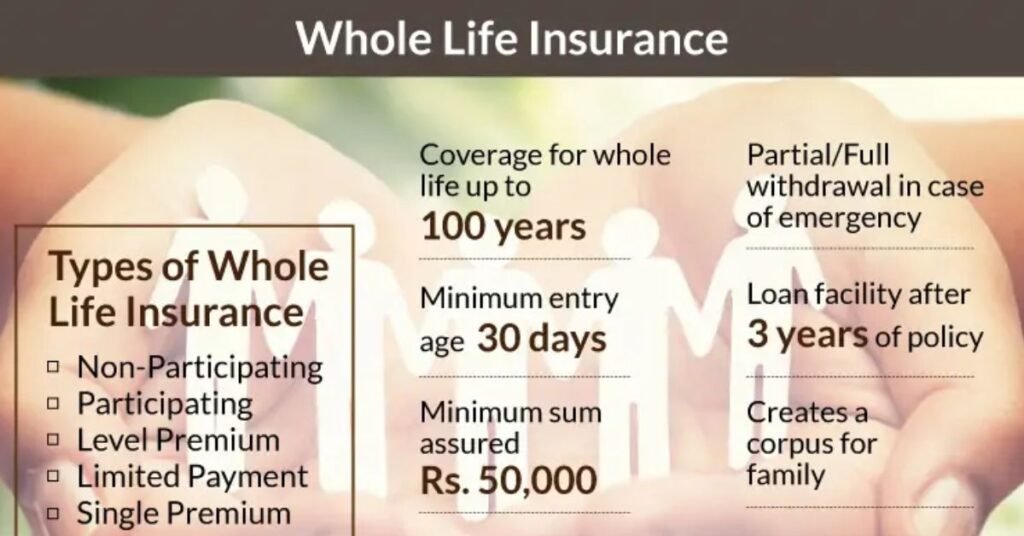
A whole life insurance policy (also known as permanent life insurance) is a policy that guarantees coverage for your entire lifetime, as long as premiums are paid on time.
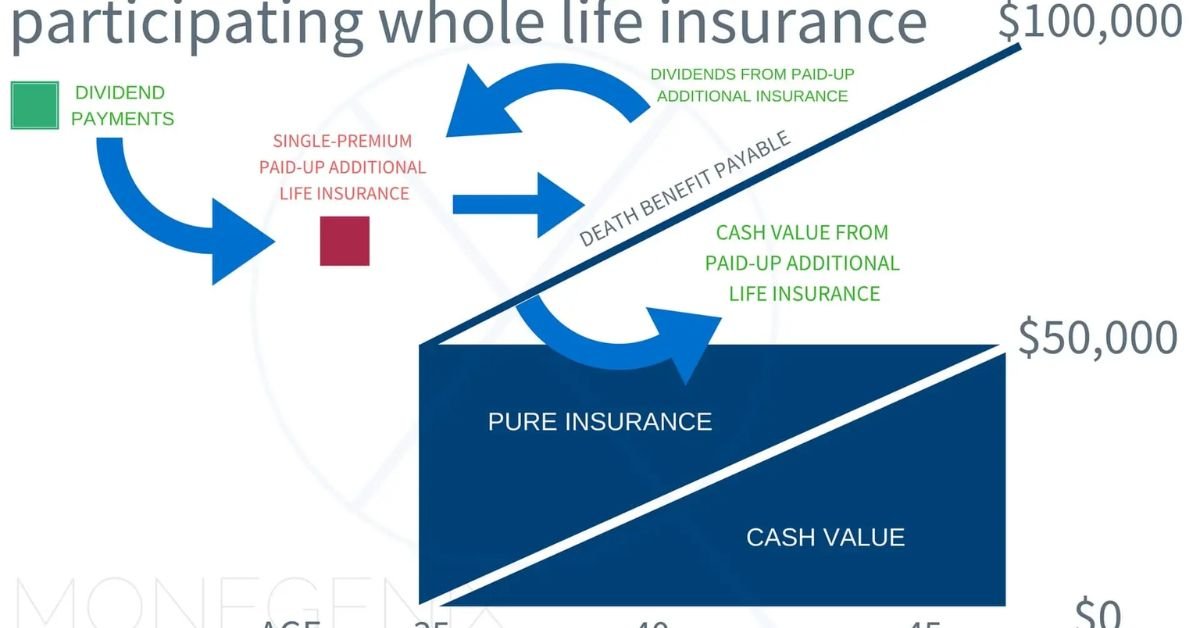
Unlike term life insurance, which only covers you for a set number of years (e.g., 10, 20, or 30 years), whole life insurance never expires. Additionally, it features a cash value component that grows tax-deferred over time, acting as an accumulating financial asset.
How Does Whole Life Insurance Work?
Whole life insurance operates on three core mechanics:
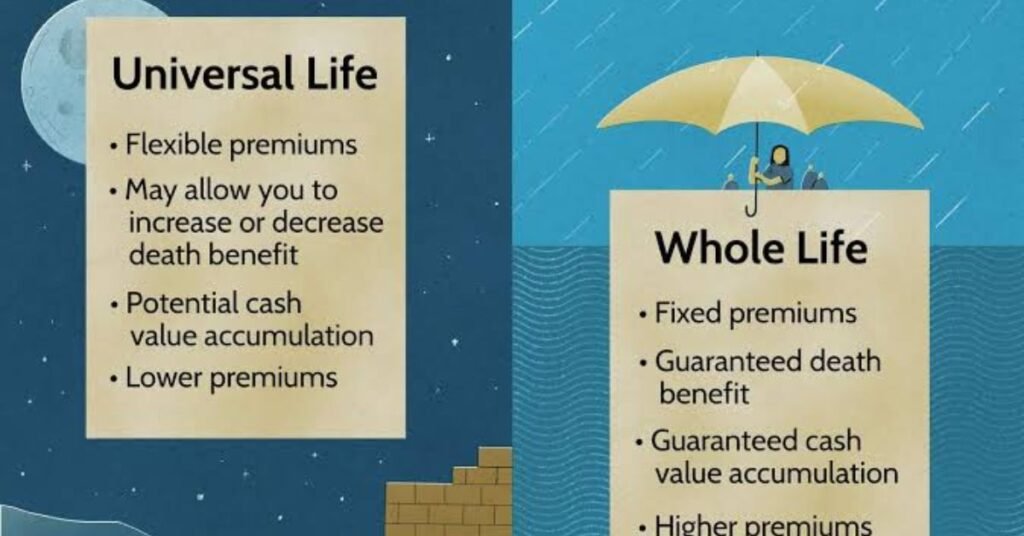
- Fixed Premium Payments: Your monthly or annual premium rate is locked in when you buy the policy and remains the exact same amount for the rest of your life.
- Guaranteed Death Benefit: When you pass away, your designated beneficiaries receive a tax-free payout (the face value of the policy).
- Cash Value Growth: A portion of each premium payment you make goes into a cash value account. This cash value earns interest at a fixed, guaranteed rate set by the insurance company.
[ Monthly Premium ]
│
┌───────┴───────┐
▼ ▼
[ Death Benefit ] [ Cash Value ]
(For Beneficiaries) (Living Savings)
Key Benefits of Whole Life Insurance
1. Lifetime Coverage
The primary advantage is simple: your coverage never expires. As long as you fulfill your premium payments, your beneficiaries are guaranteed to receive the death benefit regardless of when you pass away.
2. Cash Value Accumulation
The cash value acts as a living benefit. Over time, as this account accumulates value, you can:
- Borrow against it via policy loans.
- Withdraw cash for emergencies, retirement, or major purchases.
- Use it to pay policy premiums later in life.
3. Level Premiums
Because premium rates are locked in at the time of purchase, you don’t have to worry about cost increases as you get older or if you develop health conditions later in life.
4. Tax Advantages
- Tax-Deferred Growth: You do not pay taxes on the growth of your cash value as long as it remains inside the policy.
- Tax-Free Death Benefit: In most jurisdictions, the payout received by your beneficiaries is completely free from income tax.
Whole Life Insurance vs. Term Life Insurance
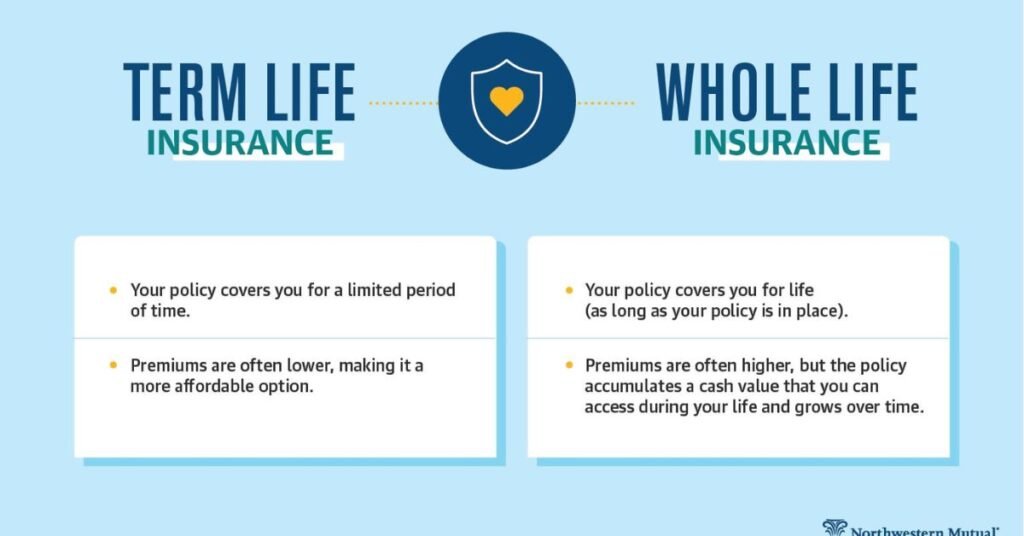
To decide if whole life insurance fits your needs, it helps to compare it directly to term life insurance:
| Feature | Whole Life Insurance | Term Life Insurance |
| Coverage Period | Permanent (Lifetime) | Temporary (10 to 30 years) |
| Premium Cost | Higher (5x–10x more expensive) | Lower / Budget-friendly |
| Cash Value | Yes (Grows at guaranteed rate) | No cash value |
| Premium Rates | Fixed for life | Fixed during term, increases on renewal |
| Best For | Estate planning, lifelong dependents | Short-term financial needs (mortgage, income replacement) |
Pros and Cons of Whole Life Insurance
Pros
- Guaranteed death benefit.
- Predictable, guaranteed cash value growth.
- Fixed premiums that never increase.
- Ability to borrow cash value during your lifetime.
Cons
- Significantly higher monthly costs compared to term life insurance.
- Slower returns on cash value compared to investing in index funds or real estate.
- Policy loans accrue interest, and unpaid loans reduce the final death benefit.
Who Should Buy a Whole Life Insurance Policy?
Whole life insurance isn’t necessary for everyone, but it is an ideal financial solution for:
- Parents of Lifelong Dependents: If you have a child with special needs who will require lifelong financial support.
- High-Net-Worth Individuals: Those looking for estate planning tools to minimize estate taxes or pass wealth down smoothly.
- People Seeking Guaranteed Low-Risk Growth: Individuals who want a conservative, guaranteed asset as part of a diversified portfolio.
- Estate Planning: Individuals wanting to ensure funeral costs, legal fees, and final debts are covered without burdening family.
Final Verdict
A whole life insurance policy offers total peace of mind by combining permanent protection with a guaranteed cash value savings vehicle. While it is more expensive than term insurance, the lifetime coverage, tax advantages, and locked-in premiums make it an attractive option for long-term wealth preservation and family security.
Before purchasing a policy, assess your budget and long-term financial goals to ensure whole life insurance aligns with your broader financial plan.