
When you purchase any type of coverage—whether for your health, car, home, or life—your insurance company issues a unique identifier attached directly to your contract. This identifier is your insurance policy number.
Despite being a simple string of numbers and letters, this code is one of the most critical pieces of information in personal finance. In this guide, we will break down what an insurance policy number is, why it matters, where to find it, and how to keep it secure.
What is an Insurance Policy Number?
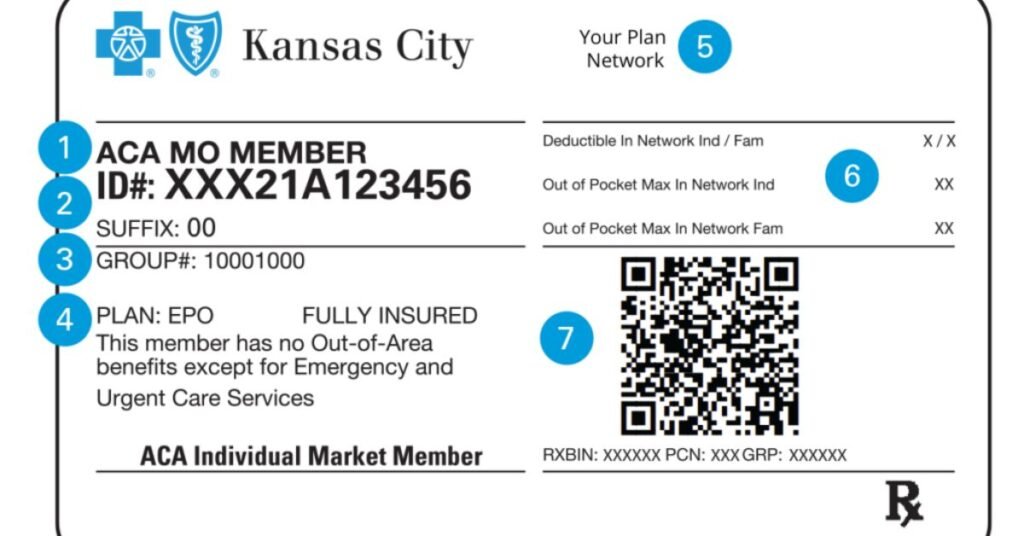
An insurance policy number is a unique identifier assigned by an insurance provider to a specific policyholder’s contract. Think of it as the account number for your insurance coverage.
It tracks everything related to your agreement with the insurer, including:
- Your coverage details and limits.
- Payment history and premium schedules.
- Claims history.
- Listed beneficiaries or covered dependents.
Every insurance account gets its own distinct policy number. If you hold both car insurance and home insurance with the same provider, each policy will typically have a separate policy number.
Insurance Policy Number vs. Group Number
If you have health insurance through an employer, you might notice two distinct numbers on your card: a Policy/Member ID and a Group Number. It is easy to mix them up, but they serve different functions:
| Feature | Insurance Policy / Member ID | Group Number |
| What It Identifies | You specifically as an individual policyholder. | Your employer or organization’s plan. |
| Uniqueness | Unique to you and your covered family members. | Shared by all employees in the same company plan. |
| Primary Use | Used to file claims, verify coverage, or check benefits. | Used by healthcare providers to identify benefit structures. |
Where Can You Find Your Insurance Policy Number?
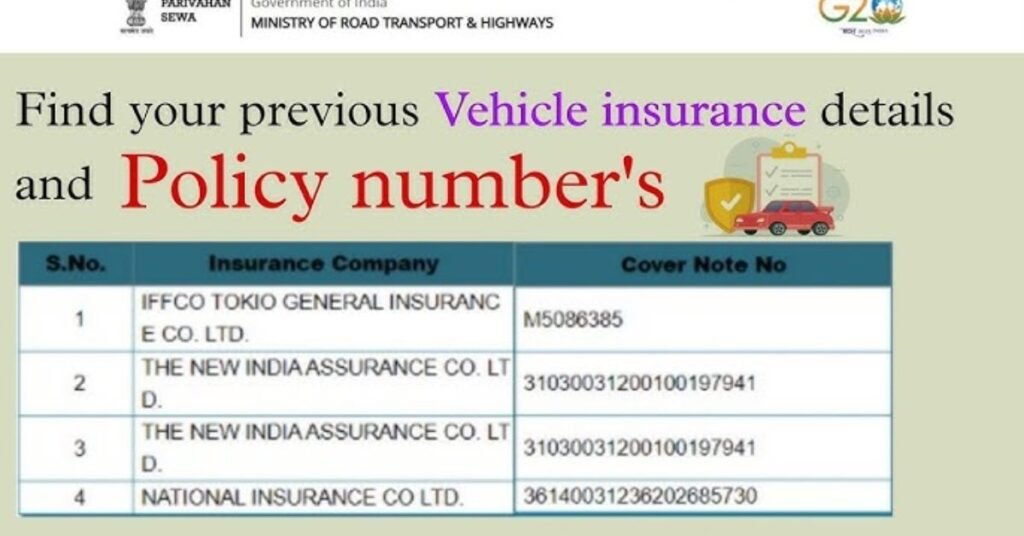
If you need to locate your policy number quickly for a doctor’s visit, an accident report, or a customer support call, check these four places:
1. Insurance ID Card
For auto and health insurance, your physical or digital insurance card is the fastest place to look. The number is usually prominently displayed on the front of the card, labeled as “Policy No.”, “Policy #”, or “Member ID”.
2. Policy Statements and Documents
Your formal declaration page—the summary document sent when you buy or renew coverage—displays the policy number at the top of the first page alongside your personal details.
3. Online Account Portal or Mobile App
Log in to your insurance company’s official website or mobile app. Navigate to Account Details, Policy Overview, or Cards to instantly view your active policy numbers.
4. Monthly Bills and Statements
Any billing invoice, premium statement, or payment receipt sent by your insurer will list your policy number so payment is credited to the correct account.
When Do You Need Your Insurance Policy Number?
You will frequently be asked for this number during routine administrative tasks and emergency situations:
- Filing an Insurance Claim: Whether you’re involved in an auto accident or requesting health reimbursement, insurers require the policy number to process claims.
- Visiting a Doctor or Hospital: Healthcare providers use your policy number to verify active coverage before administering non-emergency care.
- Contacting Customer Support: Support agents will ask for your policy number first to open your file and make updates to your account.
- DMV Registration or Vehicle Sales: When registering a motor vehicle, state authorities or local road transport departments require your auto policy number as proof of financial responsibility.
How to Protect Your Insurance Policy Number
Because your policy number is tied to your sensitive personal details, protecting it from identity theft and fraud is essential.
- Keep Cards Secure: Carry your auto insurance card in your glove box or wallet, and store health insurance cards safely.
- Avoid Unsecured Sharing: Never share your policy number over email or phone unless you initiated contact with a verified representative.
- Shred Old Documents: When disposing of expired policy papers, billing statements, or old ID cards, shred them to prevent dumpster diving.
Final Thoughts
Your insurance policy number is the master key to your coverage. Knowing what it is, where to find it on your documents, and when to use it ensures seamless communication with your provider whenever you need to file a claim or verify your benefits.