
Buying a home is one of the largest financial investments you will ever make. Protecting that investment against unexpected disasters, structural damage, and legal liability is essential for long-term peace of mind. That is where a home insurance policy (also known as homeowners insurance) comes in.
Whether you are a first-time homebuyer or evaluating your current policy, this guide breaks down everything you need to know about home insurance—what it covers, key policy types, and how to choose the right protection for your property.
What is a Home Insurance Policy?

A home insurance policy is a legal agreement between a property owner and an insurance provider. In exchange for regular premium payments, the insurer agrees to provide financial protection against loss or damage to your home, personal belongings, and legal liability resulting from accidents on your property.
Unlike car insurance, home insurance is generally not required by government law. However, if you apply for a mortgage, almost all banks and lenders will mandate active home insurance coverage before releasing funds.
The 4 Main Components of Home Insurance Coverage
A standard home insurance policy typically combines four primary types of financial protection:
1. Dwelling Coverage
Dwelling coverage pays to repair or rebuild the physical structure of your home if it is damaged by covered perils such as fire, windstorms, hail, lightning, or vandalism. This includes the main house, attached garage, and built-in fixtures.
2. Other Structures Coverage
This section covers structures on your property that are not physically attached to your main house. Examples include:
- Detached garages
- Sheds and workshops
- Fences and driveways
- Gazebos
3. Personal Property Protection
Personal property coverage pays to replace your personal belongings inside the home if they are stolen or damaged by a covered risk. This includes furniture, electronics, clothing, and appliances.
Tip: High-value items like luxury jewelry, fine art, or rare collectibles may require an additional add-on called an insurance rider or endorsement to get full coverage.
4. Liability & Loss of Use
- Personal Liability: Protects you if someone is injured on your property or if you accidentally damage someone else’s property. It covers legal fees, court costs, and medical bills.
- Loss of Use (Additional Living Expenses): If severe damage makes your home uninhabitable during repairs, this coverage pays for temporary lodging, restaurant meals, and hotel bills.
What Home Insurance Usually Does NOT Cover
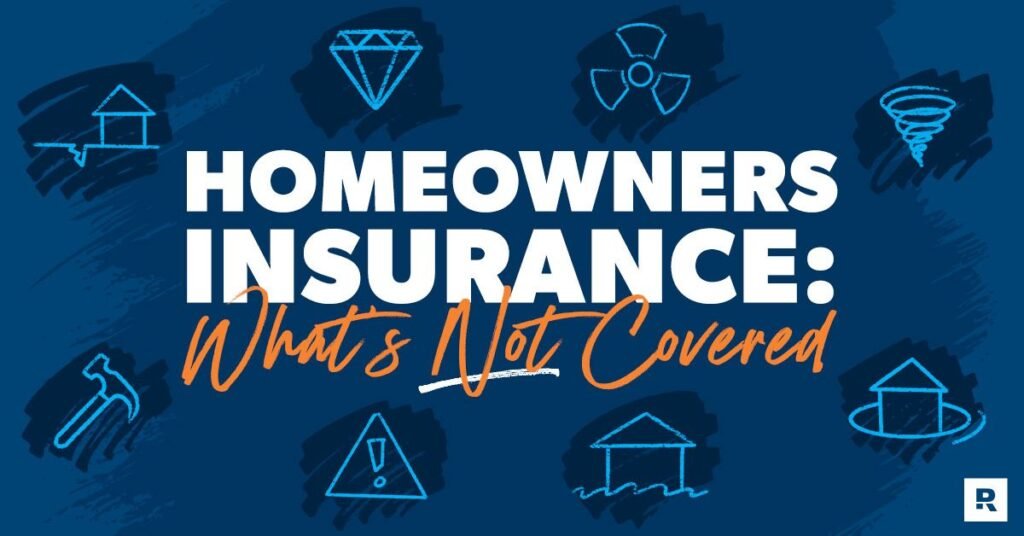
It is equally important to understand what a standard policy excludes. Standard home insurance policy forms typically do not cover:
- Floods: Damage from natural flooding usually requires a separate flood insurance policy.
- Earthquakes: Earthquakes, landslides, and earth movement require specific policy add-ons.
- General Wear and Tear: Maintenance issues like old roofs, termites, or mold resulting from neglect are the owner’s responsibility.
How Home Insurance Payouts Work
When filing a claim, insurers determine payouts based on one of two standards:
- Actual Cash Value (ACV): Pays the cost to repair or replace items minus depreciation over time.
- Replacement Cost Value (RCV): Pays the full current market cost to replace damaged items with new ones of similar quality, without subtracting depreciation.
Whenever possible, opting for Replacement Cost Value (RCV) provides significantly better financial protection.
How to Lower Your Home Insurance Premiums

If you want to reduce your insurance costs while keeping robust coverage, consider these tips:
- Increase Your Deductible: Choosing a higher out-of-pocket deductible directly lowers your ongoing monthly or annual premium.
- Install Safety Systems: Adding smoke detectors, security alarms, deadbolts, and fire extinguishers often earns policy discounts.
- Bundle Policies: Combining your home insurance with your auto insurance under the same provider can save you 10% to 25%.
- Maintain Good Credit: In many regions, maintaining a healthy credit profile lowers your overall risk score and insurance rates.
Final Thoughts
A home insurance policy is more than just a requirement for a mortgage—it is your safety net against major financial loss. By understanding what your policy covers, addressing gaps like flood coverage, and selecting replacement cost value, you can ensure your home and family stay protected no matter what happens.